Tested hiking boots guide | My Comprehensive Trail tested Hiking Boots
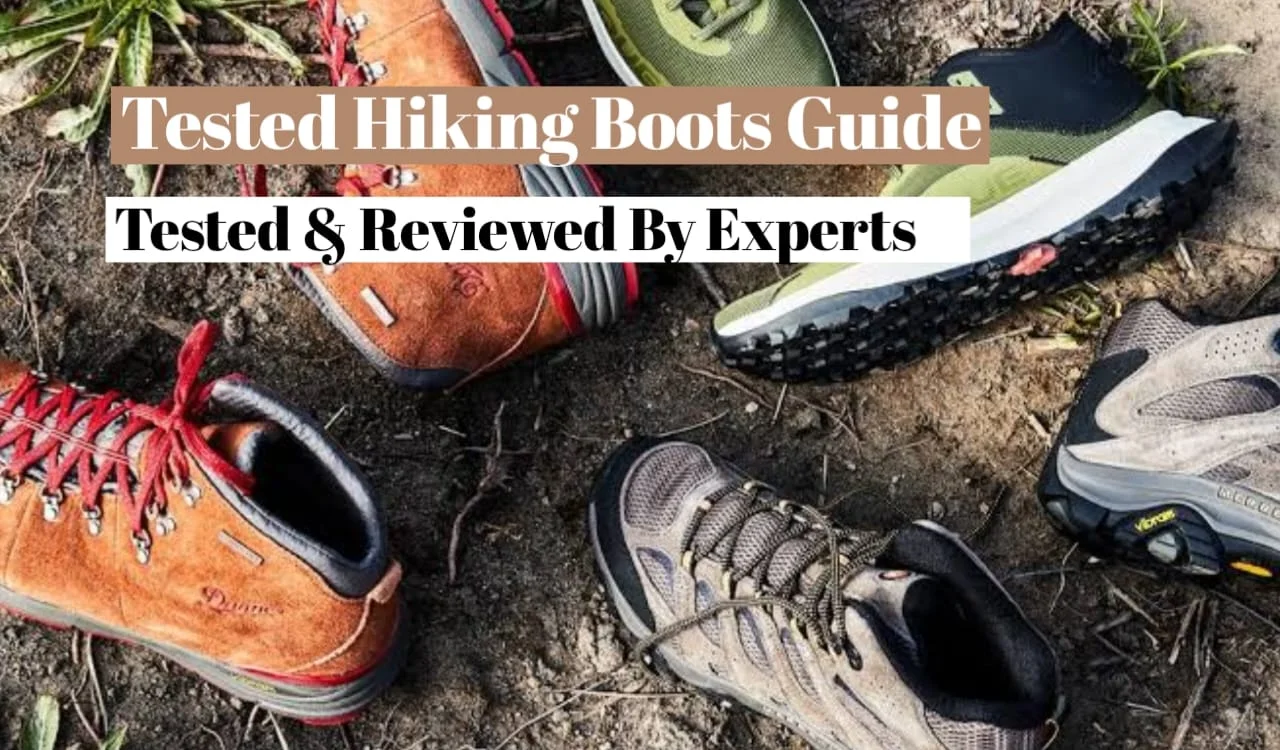
Your complete trail tested hiking boots guide — learn how to choose the right boots for comfort, traction, and performance on any terrain.
Early on in my hiking days when I was merely 10 years old, I soon discovered one thing and that is that your best hiking boots can or will make your hiking adventure. You may need them when you go over a muddy footpath after a down-pour or when you are on a steep hillside in the dry summer morning.
I have tried a myriad of pairs over the years, the lightweight trail, waterproof heavy-duty. I am planning to reveal everything there is to know about the best hiking boots choice in this guide: regarding the materials and fit, waterproofing, traction, and post-hiking care.
How Hiking Boots Are More Than Meets the Eye
When I started hiking, I would wear running shoes on my hiking trails. It did not take long to know that they were simply not made to be in the rough. My feet would be sore, slippery and in some cases blistering half way into the hike. It is at that point, I realized that hiking boots are not simply a pair of shoes, but security and comfort and assurance.

Good hiking boots make your feet stable, avoid injuries and ensure that you have a grip when on a slippery or uneven surface. They also cushion your ankles against sprains, and also your toes against hitting a rock. My hiking life has entirely changed after changing to a good pair. I could also walk long distances easily suddenly and concentrate on the view rather than my aching feet.
Learning about the Various Hiking Boots
The years went by and I learnt that there is no single shoe that fits all as far as hiking boots are concerned. The optimal two is totally determined by the location and mode of hiking.
Lightweight Hiking Boots:
I use them when making short or medium-length day hikes on smooth trails. They are lightweight, stretchy and are more like running shoes but with enhanced traction and support around the ankle.
Midweight Hiking Boots:
To go on extended walks on uneven surfaces I prefer middleweight boots. They offer comfort, durability as well as protection to the ankle. They are mostly covered with waterproof materials such as the Gore-tex and a durable sole to enhance grip on rocks and mud.
Burdensome, big-shouldered Backpacking Boots:
When I am carrying a heavy pack or doing a few days hiking through the mountains or woods, I use high cut rough boots. These are constructed to take it all- mud, streams and hilly ascents. They are rigid but with the highest stability and support.
The trail style is actually what matters in the selection of the correct type. Consider your general terrain and climate and the weight of your pack and make a decision.
The Materials Leather vs. Synthetic
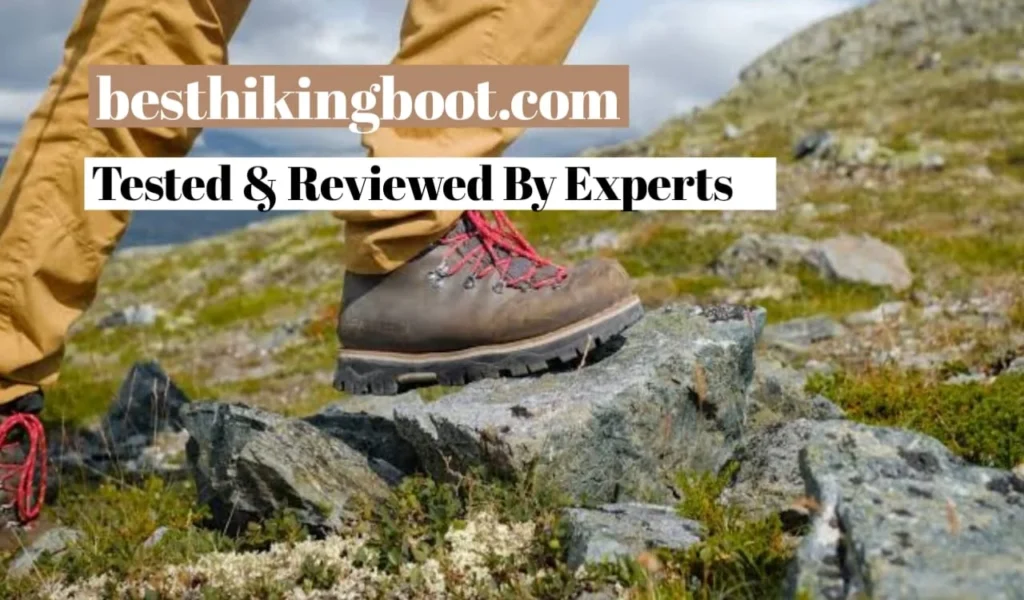
In the case of hiking boots, material dictates all the aspects of the boots such as the strength and breathability. I have tried on leather and synthetic shoes and both are good.
Full-Grain Leather:
Full-grain leather boots are also the ones that I resort to when I am about to face a rough environment or it is wet. They are heavyweight, waterproof and provide good protection to the ankle. They are however, heavier and slow to break in.
The other type of leather is known as Nubuck and Split-Grain Leather:
These are an excellent halfway covenant – yet strong, yet supple. They are also a little lighter and this comes in handy during long treks.
Synthetic Material(Nylon or Polyester):
Artificial shoes are lighter and they dry quicker. They are good in the hot seasons or hikes. However, they tend to be not as durable as leather alternatives, remember.
A balance of leather and synthetic material is the best of both worlds in my case, it is strong yet comfortable without any additional weight.
The Waterproofing: The Significance
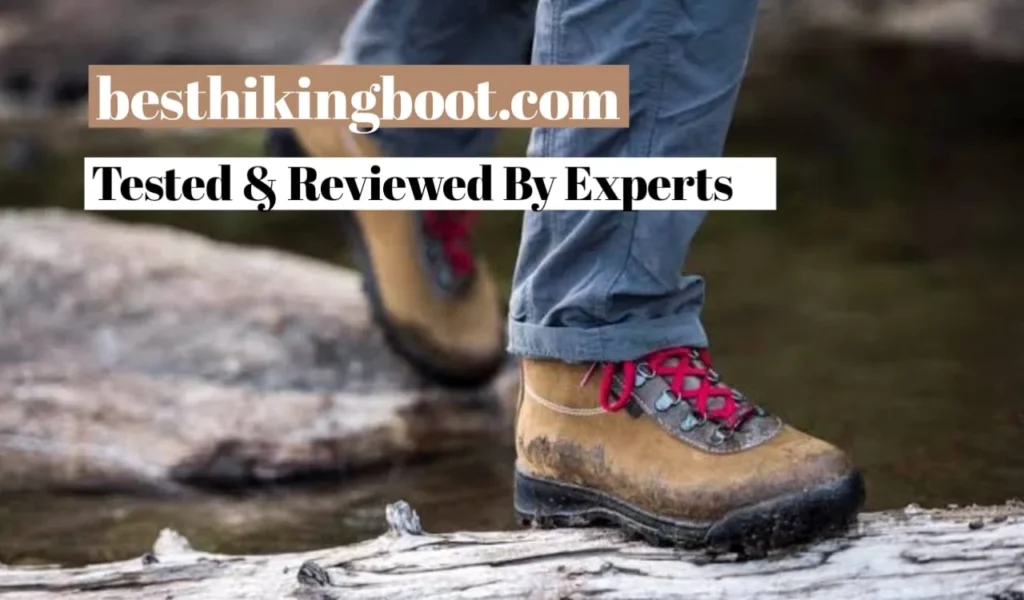
Nothing can emphasize the need of having waterproof boots, especially when you hike when the weather is unpredictable. Soggy socks and blisters are the two worst things that can happen to a hike.
The majority of my favorite pair of boots have Gore-Tex membranes that are effective at excluding water and letting moisture pass through. Merrell, Salomon, and Oboz brands also have their own waterproof linings which do as well.
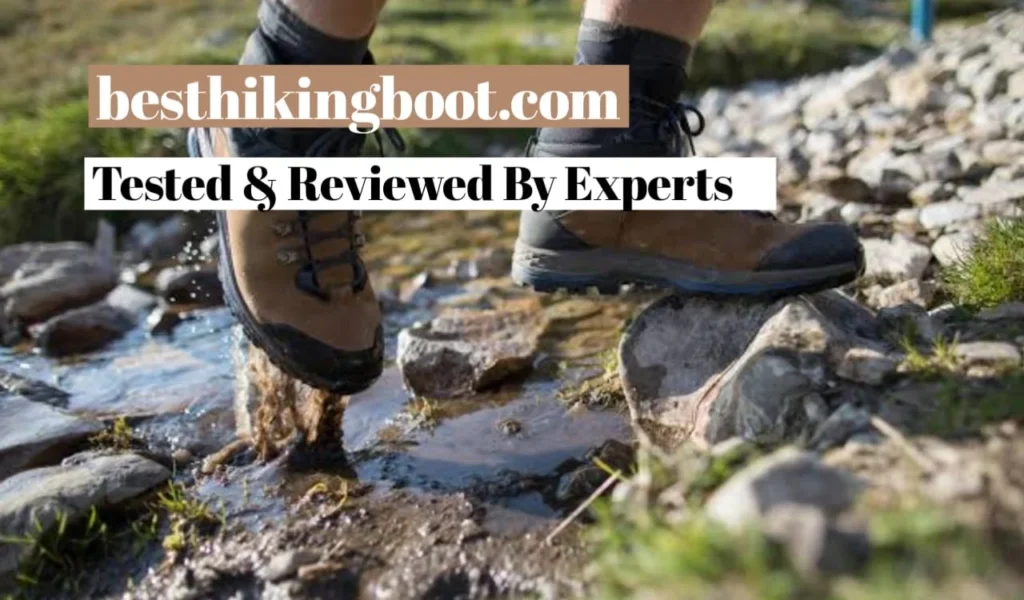
Depending on the season that you are in, especially in wet and summer months, you may want to use non-waterproof shoes as they are much more ventilated. However, in the case of a wet, cold or mixed environment, the waterproofing cannot be overlooked.
This is my way of getting the perfect one:
Wear boots in the afternoon always, when your feet are partially swollen–just as when you are hiking.
- Put on the hiking socks that you are going to use on the trail.
- Keep a gap between your toes that is 1-2 thumbs so that you do not jam down.
- Ensure that the heel is kept snug in order to prevent blisters.
A comfortable hiking boot when well fitted must not be tight but must be firm enough so that your foot can move about naturally. I have hiked 12 hours at a time without any trouble just because my shoes seem to be a glove.
Traction and Sole Design
I have over the years come to learn that not every sole is created equal. The sole defines the ability of your boots to work in various landscapes: mud, gravel, wet rocks or snow.

The majority of the finest hiking shoes are Vibram soles which are very grippy and durable. Multidirectional lugs are deep and they assist in keeping the vehicle in traction particularly during slippery trails.
In case you walk mostly on rocky routes, use harder soles to be more stable. In muddy or rough roads, I would rather have a softer, less rigid sole that would fit such terrain.
Ankle Support and Stability
One of the key reasons behind my preference of boots to trail shoes is ankle support. I sprained my ankle too many times when I was just starting out hiking.
The high-cut boots are more resistant to ankle rolling on an irregular surface. Nevertheless, to have smoother trails, I tend to wear mid-cut boots–they provide me with the required support and do not weigh me down.
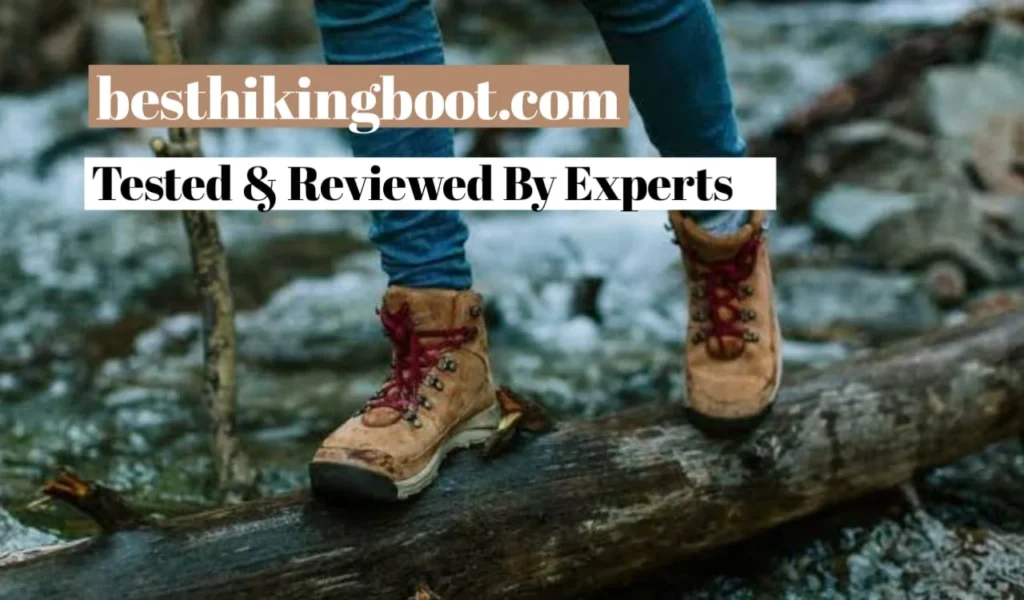
When you are only beginning, you had better pick something supportive but not too hard. In the long run, your legs will be stronger and you will discover the balance that will work best on you.
My Top Personal Picks
Having tried dozens of different hiking boots in the various seasons and on different terrains, I have found a few pairs that have really impressed me with their comfort, support and performance over a long period of time.

The following is my after hiking boot routine:
- Remove the insoles and laces.
- Cleanse mud with a feather brush.
- Wipe them with the wet cloth (no strong detergents).
- Allow them to dry in the air-without coming into close proximity to heat.
- Wetproofing spray should be applied where needed.
By doing so not only do you maintain the appearance of your boots, but also give them a much longer life. I have owned several pairs of shoes that were lasting more than seven years due to the maintenance that I always made.
Hiking boots are replenished under what circumstances
The finest hiking boots do not last indefinitely. You will know when you have to buy another pair when you will see any of the following:
The tread is worn smooth
- You experience new points of pressure or pain.
- The waterproof is no longer effective.
- The soles begin to detach themselves.
The average life of boots is 500- 1,000 miles, which varies with usage and the soil. I use the hikes to record my increase so that I can gauge when I would require a replacement.
FAQS About Tested hiking boots guide
Final Thoughts
Having hiked 12 years of sun, snow and rain I will tell you that your boots are the most important of all the equipment. The outer pair will ensure that your feet are dry and that you have a stable step and that your hikes are fun.
You can spend time to ensure you get boots that best fit, are compatible with the hiking style and the terrain you will be hiking. When you discover that perfect couple, you will be glad to break them and preserve them.