What’s an Average Hike Speed? Don’t Miss This Factor
Wondering what’s an average hike speed? Here’s how terrain, fitness, and gear impact your trail pace and performance.
When you have ever gone hiking with friends you most likely have noticed how each one of you walks on the trail. Others slide smoothly over the hills and some find it difficult to follow with their breaths coming out. I used to believe that I was somehow wrong until I understood that each hiker has his/her natural rhythm, and it is influenced by a lot of factors such as terrain, weather, fitness, and even attitude. Being aware of how much you usually hike each hour will transform your entire experience since you will be able to plan better, hike more with best hiking boots safely and enjoy the journey as opposed to rushing to finish or feeling disappointed.
My increases became more pleasant when I finally knew what determined my pace. I ceased to judge myself in relation to other people but began to walk at the speed of my body. This transformation made hiking less challenging, more meditative and fulfilling. Now, we will discover what makes you slow on your hiking pace and how you could increase this pace without getting tired.
Knowledge of Average Hiking Speed
The average hiker walks two to three miles per hour on moderate ground hence a six mile trail may take two to three hours. But averages are only but guides. There are individuals who walk at a fast pace and there are those who walk slowly but with deliberate pace. The only thing that really counts is to ensure that there is some kind of rhythm that would allow you to have fun on the trail without straining yourself or having to take frequent breaks.

I have learned over the years that hiking speed does not have competition; it is a matter of awareness. By being conscious of your speed you will be able to plan better rest stops and prevent fatigue. Being aware of your average pace also enables you to guess how much time the increase will take, and you will never be in doubt of not having enough time or strength to complete your day.
It is All in the Terrain
One of the largest factors that influence the hiking pace is trail conditions. Smooth, flat land gives you a chance to travel at a speed of up to three miles per hour. On the contrary, rocky, muddy, or steep paths may reduce that speed by half. In my early years of hiking, I used to plan my routes according to the distance that I needed to cover without the knowledge that a few miles up a hill might take twice the time I would have taken to walk flat.
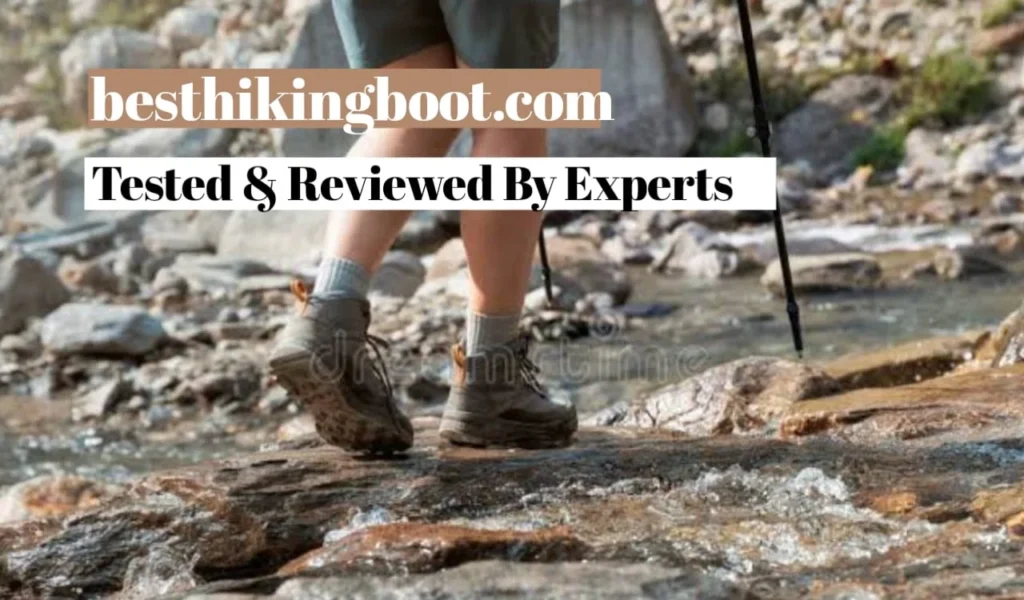
I do not simply go by the mileage, but instead, I consider every trail in terms of the terrain. Hills and valleys slow all the people, whereas on the downhill side, one should be careful not to slip or fall. You need to adjust your expectations to the terrain so as to have a safer and enjoyable trip. Each and every trail is a story of its own – you simply need to be at the appropriate pace to read it.
The Fitness and Experience Role
The level of physical fitness is of significant influence when it comes to the speed of hiking. At the beginning of my career, I would easily get tired and I had to take a lot of breaks to rest. My stamina and speed increased naturally as I gained strength and endurance due to frequent increases. The real hiking power is not in intensity but in consistency.

Experience matters too. Experienced hikers know when to work harder and when to relax to conserve some energy to make it back. They have been taught how to spread out the energy in a trail and when their bodies require a rest. As time goes by, you will find that your steps get easier and your breathing is more controlled and this will help you to have a comfortable moving pace by keeping you going for hours.
The Effect of the Elevation on your Speed
An increase in elevation is a silent mass murderer. Each 1000 feet of climbing can reduce your speed by as much as half a mile per hour. I recall my first mountain hiking experience. The air being thin, even the simplest ascents seemed to last forever. Hiking puts your lungs and legs to the test and you have to go at a slower pace regardless of how well you are.

The distance is not the only thing to consider when hiking, always remember to look at elevation change. Review the elevation profile with trail apps such as AllTrails to be able to estimate timing more precisely. Get used to the fact that it is more difficult to climb up the hill, and schedule additional rest breaks. Hiking smart is to appreciate the mountain and not to rush.
The Effect of the Weather Conditions
Even the simplest hike may be a challenge due to weather. During hot days, you move very slowly due to dehydration, cold and windy weather make your energy run out quicker than you anticipated. I have been in the light rain which made the initially three-hour hike a slippery survival mission. It is important to learn how to adjust to the weather to hike efficiently.

Always look into the weather before going and dress up. Dress in breathable clothes and drink frequently in warm weather. When it is cold or wet, wear lots of clothing to keep warm but not too hot. Clever planning allows you to cope with whatever nature brings your way without compromising on comfort and safety.
The effects of gears on the speed of hiking
Excessive weight of the gear or the use of awkward equipment may also slow you down tremendously. During one of the long hikes, I carried unnecessary gadgets and found myself having a hard time with the extra weight. At the end of it, I knew that the true secret of hiking faster and easier is minimalism.

The right shoes, a light-weight bag pack, and moisture-wicking garments are a great difference. Trekking poles have the ability to enhance the stability and assist in keeping time on uneven ground. It is not about abandoning necessities but rather about carrying smarter and less bulky stuff that will keep you moving rather than dragging.
The Significance of Rest and Recovery
Nonstop hiking may appear to be efficient, however, it only burns you out. I would force myself through trails without taking a break believing that it would save me time. Rather, I would be left drained half way through. Frequent small rests will maintain your energy levels and will enable your muscles to rest.

Have a snack, take a couple of minutes to hydrate, stretch, and have a snack every hour. These interruptions during the uphill make the hikes longer and prevent the feeling of soreness the following day. Also, it is important to keep in mind that hiking is not a race, but a process to take your time and enjoy each moment without feeling exhausted.
Measuring the Hiking speed
Smartwatches, GPS trackers, and hiking apps are the best way to keep track of your speed. I enjoy having my smartwatch to keep track of my distance, speed, and the changes in elevation. It makes me aware when I am walking slowly and changes my pace. However, it is not about competing with other people, but rather about getting to know your natural rhythm.
I do not use gadgets sometimes, but act on instinct. There is no device more precise than listening to your breathing and step rhythm. Technology is a means but the best guide to pace you will have is self-awareness. The practice will make you know precisely your speed without even looking at your wristwatch.
How to Make Hiking Faster
When you desire to run more quickly, you need to be able to work on your strength and not only on speed. Squats, lunges, and stair climbs are exercises that make leg muscles strong in uphill walks. Training consistency also causes your body to become more efficient in energy management hence you can move longer and faster without feeling tired.

The other trick that is great is to locate your stride rhythm. Long, quick strides should not be used as they are not as good in maintaining balance and endurance as short controlled steps. Stamina can also be improved by practicing posture and breathing techniques. With time you get used to it, and the hiking process becomes easier, more comfortable, more pleasant.
Such typical errors that retard you
New hikers most often make the most erroneous mistake of going too fast. I would get into a trail with a lot of energy only to deplete myself after the first mile. Hiking is a process that takes time, you must feel that you move too slowly at the onset. It is the most efficient way to save energy in the long-term.

The other major mistake is neglecting to hydrate and eat. Missing water breaks or not taking enough food results in slowness and fatigue. Bring water, energy bars and fruit to keep you energized. Do not eat too much before a hike but take snacks regularly to maintain your energy level during the hike.
FAQs About Average Hike Speed
Final Thoughts
Knowing your pace of hiking will give you greater control over your hikes. Once I stopped measuring myself with the speed of other hikers and concentrated on the progress of my own speed, the process became much more rewarding. Each trail will tell you something new about your body and stamina, you just need to listen.
So don’t rush your progress. You may be going at two miles per hour or four, but you must have the rhythm of every stride. Hiking is not a contest; it is an experience that pays off in terms of being aware, patient and consistent. The most appropriate speed is the one that will allow you to finish it hard and feel pleased with the scenery on the peak.