Hiking in the Snow – Common Mistakes That Can Ruin Your Trip
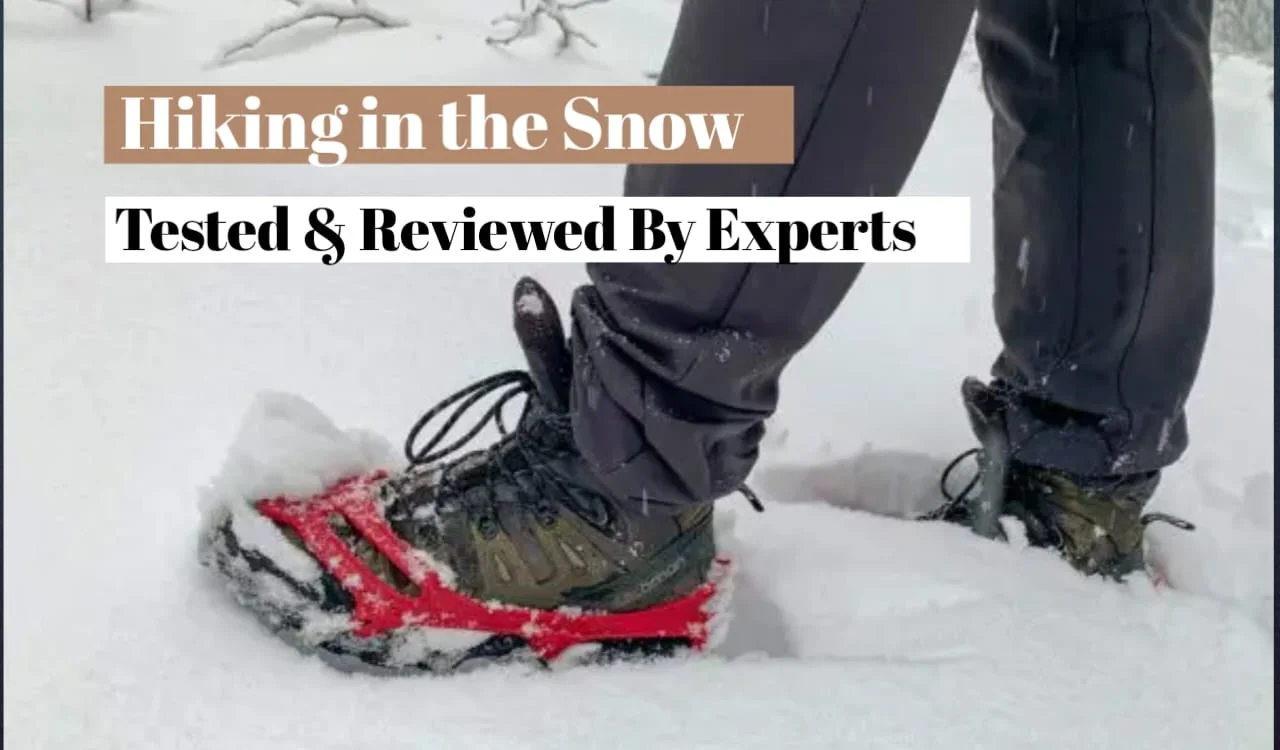
Hiking in the snow can be magical—unless you make these mistakes. Learn winter hiking tips, gear essentials, and boot recommendations.
Hiking in the snow is also one of the most fun outdoor activities, yet it is the kind of adventure that tests your stamina and training as few other activities. I do remember my first snow trail, I had no idea how much it would make or break the whole experience I would have with the proper clothing and that to have good working boots was key. Throughout time, I learned that to be successful in winter hiking writh th right best hiking boots, it is not only about the passion to do it, but also about the ability of analyzing and putting on the right footwear and other equipment.
In this guide, I will discuss the most frequent errors made by hikers when approaching snowy terrain and will explain their prevention. I will also mention along the way the significance of buying the best hiking boots as it is the most crucial aspect that will keep your feet warm, dry and stable in each and every step of the frozen way.
Training Winter Hiking Preparation
As far as Hiking in the snow is concerned, it is not a question of preparation but simply a necessity. In winter hiking, an error is multiplied, whereas in summer hiking, warm weather and easy-to-follow tracks are able to forgive such errors. I will do this before any snowy adventure to ensure that I check the trail condition and update myself on the weather conditions and always have a backup plan. At one point, I had to miss the forecast and got stuck in a snow pack on the halfway path. Believe me, it is the experience you do not want to have again.
Hiking in the snow alters everything, visibility, landscape and speed. That is why I will always schedule additional time to go snow hiking. When I know that a trail is apt to occupy me four hours in summer, I figure that it will occupy me five or six in the snow. And it is the slow step that makes it all the more important that you have good, waterproof hiking shoes in your life – wet feet or slippery footing can make a gorgeous winter day a nightmare.
Other significant factors of weather
I look at wind chill predictions and the temperature, and go only when I am sure the wind is not blowing since it makes the air much colder than the air temperature. It is my high-puppet best hiking boots such as the Salomon Quest 4 GTX that have rescued me more than once when my toes would be frozen. Its insulation and waterproofing makes me comfortable even in biting cold.
Get the Basics Strauss and Build Confidence
Unless you are an expert in Hiking in the snow, then begin with trails that are well known. I once went wrong and started exploring a long and unfamiliar path at the beginning of my winter hiking trip and it was even more exhausting than I thought. White tracks may conceal the sights and navigation may be difficult. It is always better to start with those shorter trails that are familiar to you, this way confidence is built and you also get to test your boots and equipment without taking any unnecessary chances.

Select paths that have complexes of ups and downs. It is also an excellent method of trying your boots on slippery slopes and rough surfaces. I discovered that midweight boots such as the Lowa Renegade GTX Mid provide the appropriate combination of warmth, traction, and mobility – good when going on shorter winter trips.
Wear many Clothes, but Concentrate on Your Shoes
The golden rule in winter hiking is layering. My average outfit includes a moisture-wicking undergarment, a fleece jacket or an insulated jacket, and a weatherproof jacket. They are so much concerned with jackets that most hikers tend to forget about their feet, which is a great error.
Your initial defense against coldness, dampness and blisters is your boots and socks. I have been using Merino wool socks since I found out that they are able to wick moisture and keep my feet warm. I wear Darn Tough and Smartwool because these brands are durable and insulated. And in case it is especially cold I will put a thin liner sock on top to keep me even warmer.
Areas such as insulation and waterproofing cannot be compromised when it comes to boots. I seek pairs made of Gore-Tex and similar technology. Such models as the Hoka Anacapa 2 Mid GTX and La Sportiva Nucleo High II GTX are available to move through cold and wet conditions as well as provide superior ankle support and grip.
Do not Underestimate the Significance of Traction
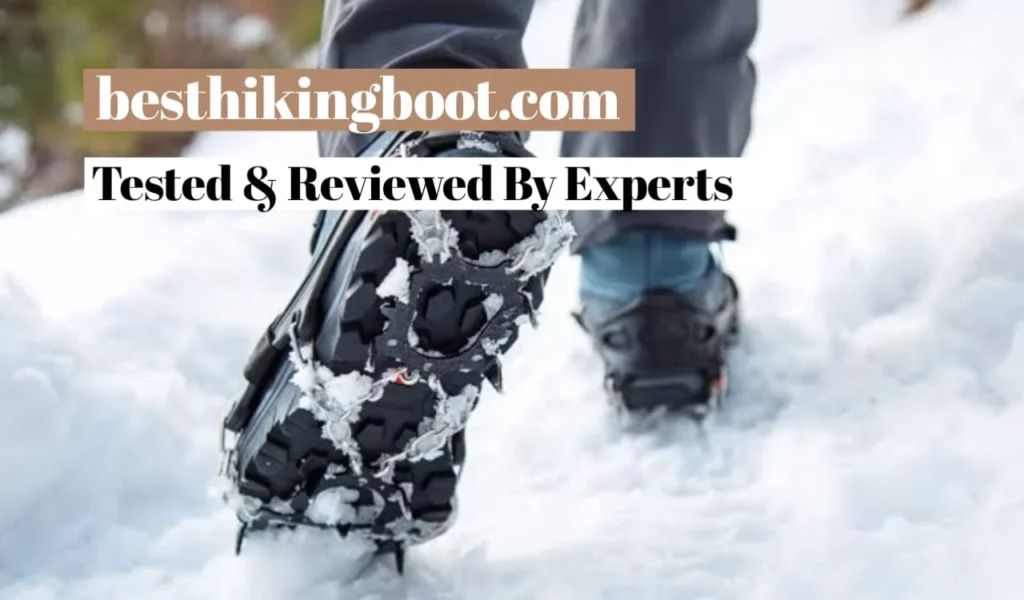
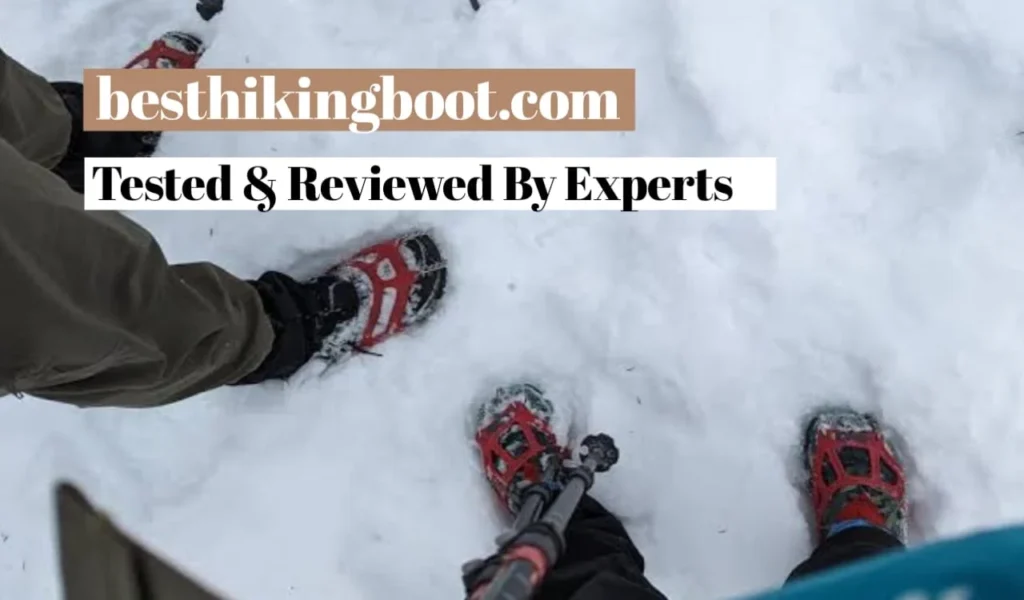
The most common mistake made by hikers is in traction. Even the simplest trail may become a deadly one because of snow and ice. I do not make it to a trail on snow without microspikes or some sort of traction aid. They can be easily attached to hiking boots and they are like a salvation when you have to cross some icy areas.

Speaking of which, the boots should have aggressive soles. Deep lugs give it stability and grip so that one does not fall and can get hurt. I got to know this personally on a downhill slope that was very steep and my tattered old pair of boots slipped off traction and in the process I fell half-way down on my back! That is never again since the boots were changed to those with Vibram soles such as the Danner Mountain 600 Leaf GTX.
Keep Your Feet Warm and Dry
Wet cold feet can destroy your hike in the shortest time possible. Not wearing gaiters was one of the most significant errors that I made in the past. At this point I do not go hiking in the snow without them. They keep the snow out of your boots and therefore your feet are warm and dry all day.

Another hint: also have your boots well fitting even with thicker socks. Tight boots may result in circulation stoppage and result in cold toes, whereas loose ones may result in blisters. The fit is very important, tight but not too tight. Following considerable increases, I also take time to ensure my boots are well dried – moisture retained will only deteriorate the materials and will also lower the level of insulation during your next hiking experience.
Stay Warm and Hydrated
It is not easy to remember that hydration is important in cold weather but dehydration strikes even better than you imagine. I also carry a thermos that is full of warm tea or electrolyte water to drink throughout the day. It does not only keep me hydrated but also ensures that my body temperature is maintained.
Food is equally important. Hiking in the snow is more my way of burning calories as your body is always on the move to keep you warm. I have a high intake of trail mixes, nuts, and energy bars to maintain my energy levels. And I take breaks and use my time to shake off the snow on my boots and to adjust my gaiters when necessary.
Learn to Adjust Layers
Overdressing is one of the simplest errors one can commit when on a snow hike. I even started my hikes with warm clothing and then I began to sweat 15 minutes later. The issue here is that the sweat will soon become cold as soon as you stop moving and it can result in hypothermia. I began wearing very few layers and have only added more when necessary.
The same goes for my boots. In case I am hiking on the filled snow I will loosen them a little to facilitate better blood flow. However when going through deep snow or exposed ground, I tighten them to achieve more ankle stability. Even minor changes such as these ones can significantly contribute to the comfort and warmth.
Snowy Trails: How to Clear a Path
It is not always easy to navigate in snow-covered areas. The trail markers are also usually concealed and your tracks can get lost extremely fast especially during a fresh snowfall. I cannot live without GPS applications, though I have a paper map and compass as a backup. The digital and manual tools make sure that I never lose my way.

I too put a turnaround time prior to each hike. In snow, your speed reduces faster than you think and I always add at least 30 percent more time than I usually take. Going to that turnaround time will help me to turn around and be home safe before it gets dark, no matter how good I may feel half way on the trail.
How to Make Snow Hiking a Disaster
Putting on the incorrect/inappropriate boots – Waterproof shoes or low cut shoes cause cold wet feet within a short period. Generally wear insulated and waterproof hiking shoes.

My Favorite Hiking Boots in Winter
In case you are intending to walk on the snow, there are some boots that I have personally worn and would recommend:
All these have been tested in the snow and provide a combination of grip, warmth as well as durability. The only difference is in choosing one that suits your type of hiking.
FAQs About Hiking in the Snow
Final Thoughts
Hiking in the snow is really something extraordinary, the silence of the paths, the freshness of the air and the untouched scenery makes it a fairy-tale. However, there is a cost to being beautiful when hiking in winter. The right preparation, equipment, and attitude can make the risks to be something that people will never forget.
You should not underestimate your hiking boots, above all. Your source of security, coziness, and assurance on snowy roads, they are. And with the proper ones, each stride in the snow is not a challenge, but a privilege, something to be eagerly anticipated each winter.