How to survive Hiking With Blisters Survive Like a Pro: Ulitimate Guide
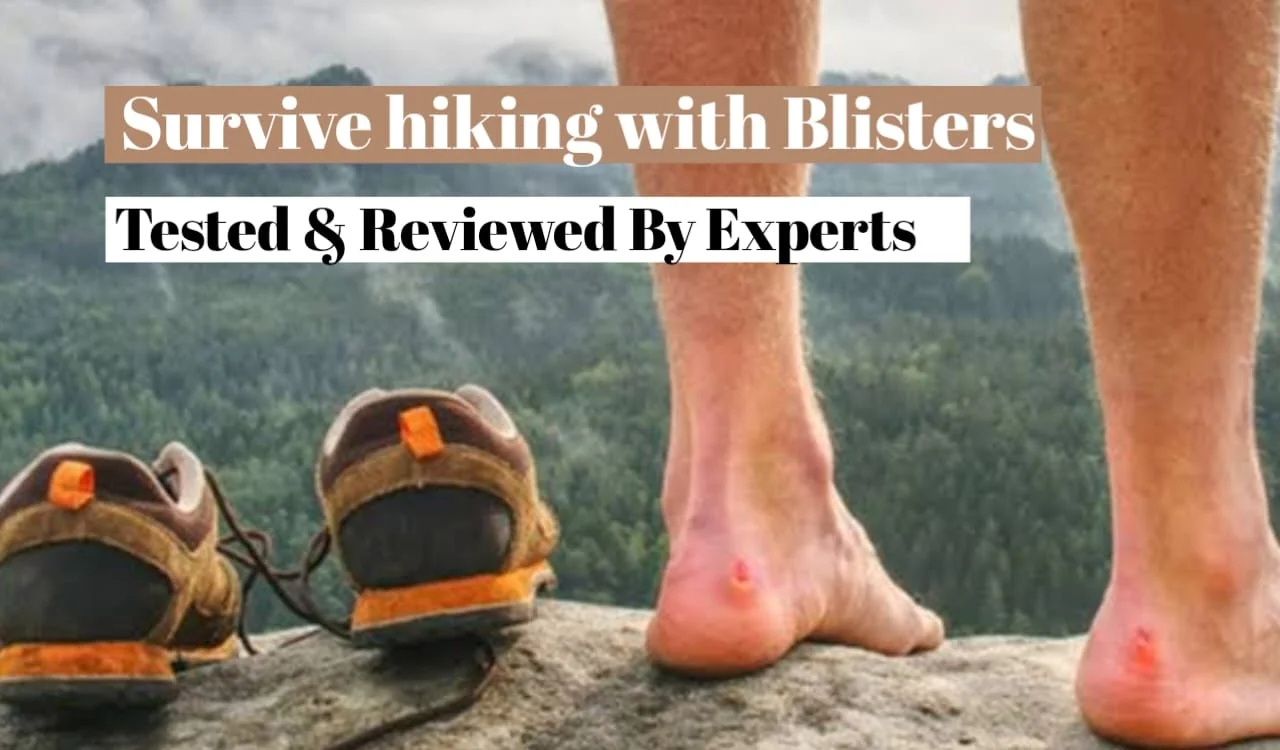
Discover how to survive hiking with blisters like a pro! The Hiking With Blisters Survival guide keeps your feet safe and your adventure unstoppable.
Blisters may cause a hiking event to become an unpleasant experience because they are difficult to deal with during the hike. I also recall my first extended walk. I did not pay attention to the blisters that had developed on my heels and I had to come back to camp on my knees. This taught me that Hiking With Blisters are prevented much earlier than when you get on the trail. This guide will include the teachings of an expert who will see you hike further, stay comfortable, and make sure that you avoid painful errors.
Blisters are not a simple nuisance but can ruin your trip in case they are not addressed properly. They are easily made out of friction, heat, and moisture accumulated in your hiking shoes. I have over time realised how simple changes in equipment, methodology, and foot care can make a big difference. We can dissect the process of Hiking With Blisters , prevention and the treatment of blisters occurring during the hike with best hiking boots.
How Do Hiking Blisters Form?
Blisters are normally caused whenever your skin rubs against your boots or your socks too many times and this produces heat and irritation. Wetness the friction and your skin becomes soft and you are more likely to have fluid-filled pockets. They are the notorious hot spots that hikers experience and then proves to be a blister before it is completely formed. When that irritation is inflamed, it is worse and more painful to walk.

Breaking in new hiking boots is one of the single biggest mistakes that I can identify in novice hikers because they go out on the trail with a pair of unex-broken boots, and their feet also need to grow tough. Blisters are formed by moisture, poor fit, and also friction. The first step of ensuring that your feet do not have any blisters is first knowing these reasons.
Immediate Action When Blisters Appear
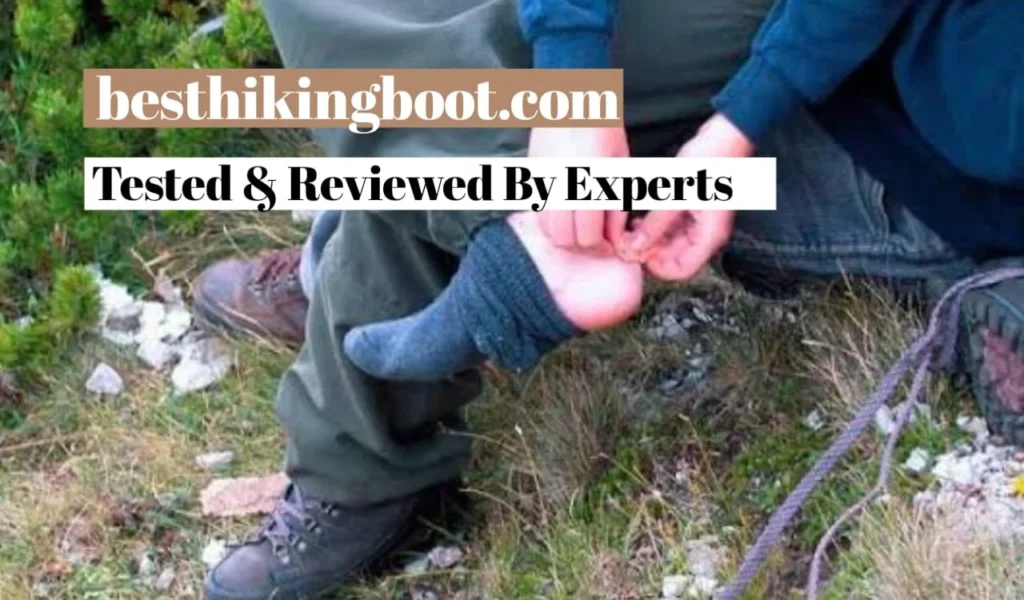
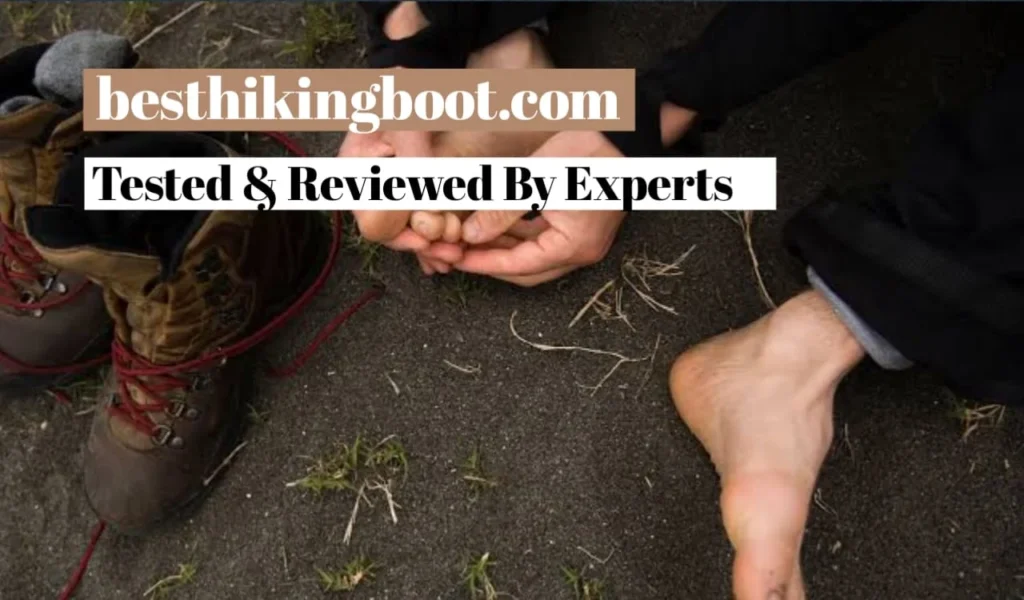
As soon as you notice a burning place on your foot, get out of hiking. Do not overlook it I have done that, and it never helped. Take off your boots and socks, clean the place and put on moleskin or medical tape to protect the skin. By managing a hot spot in its initial stages, it becomes a blister that will not be painful to deal with in the future.
In case a blister has already developed, be very careful. Wipe it with an antiseptic and put a protective dressing. Do not drain it unless there is need because it heightens the chances of infection. Moleskin patches in the shape of a donut have been particularly effective to me because they cushion without providing additional friction to the affected region.
Choosing the Right Footwear
The most important aspect in preventing the Hiking With Blisters is footwear. You always want your boots to fit your feet tightly but not too tight so that they do not strain on them as you hike. I wear my shoes in a slant to make sure that my feet do not get stuck at the front. Friction, pressure points caused by narrow or tight-fitting shoes are some of the best triggers of blisters.
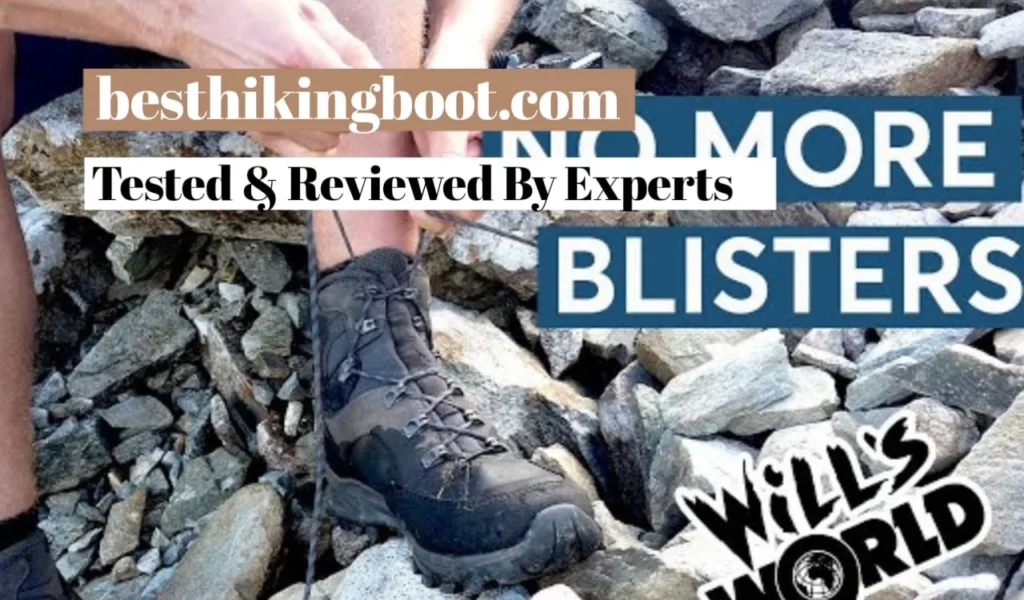
Find boots that have breathable and moisture impermeable linings and gusseted tongues to prevent the entry of debris. I tend to wear rather loose shoes during the initial breaking in of the shoe anyway. Breaking your boots in with little hikes will aid your feet in adapting. The introduction of such shoes as the Keen Targhee IV or Hoka Kaha 2 offers the excellent comfort and volume to broader feet, which minimizes the risk of blisters.
Do Socks Help Prevent Blisters?
Hiking With Blisters are first prevented by socks. An excellent pair of moisture wicking hiking socks will work to keep your feet dry and comfortable. The wet or sweaty feet are easy to soften, and this increases the amount of friction in your shoes. I would always purchase the best socks that are specifically meant to be used when taking a long hike.
Cotton socks should be avoided at any cost as they keep the moisture and enlarge the irritation. Instead, choose such materials as merino wool or synthetic mixes that keep the moisture off your skin. The socks and boots should be worn together in order to keep your feet cool, comfortable and free of friction during the hike.
Merino Wool Socks
I now wear merino wool socks when hiking in any situation. They keep the heat down, are efficient in wicking moisture and are not hard after long walks. Merino wool does not hold odor or moisture as it would in synthetic materials hence your feet remain fresh and dry. This is natural breathability which minimizes the formation of blisters.
Smartwool Mountaineer Full Cushion is one of my favorite clothes due to high content of merino wool as well as additional padding in areas of friction. These are the socks that fit both the cold and warm weather providing the same amount of comfort. When I made a switch to merino, the changes in the comfort of my feet and the prevention of the blisters were evident and immediate.
Synthetic Socks
Synthetic hiking socks are also welcome alternatives towards preventing blister provided they are selected. They are long lasting, breathable and in many cases cheaper than merino. Most of them have mesh areas to allow ventilation and cushion friction areas. I have used synthetic blends in short hikes and found them to be very useful in keeping my feet dry.
Nonetheless, wool may not be as appropriate as high-synthetic content socks in terms of holding more heat and moisture. To illustrate, the Farm to Feet Damascus was not as good as the Darn Tough Hiker Full Cushion in my tests which has more merino wool. Nevertheless, synthetics are not a bad option as they can be worn together with good foot care by hikers who are allergic to wool or cannot afford wool.
Wearing Sock Liners as a Form of Addition
Sock liners are a great addition to a person who has the tendency of blisters. They serve as a layer of protection between your skin and your main socks causing less friction and moisture. I have been especially appreciating them in the case of extended walks or in the instances of using slim hiking socks.
Liners also increase the life of your mainsocks as they keep the sock cleaner. They are combined with a hiking sock of high quality to give them an unsurpassed value of comfort and shielding. They are particularly useful in hot and humid weather whereby sweat may easily lead to hot spots.
Wearing Hiking Shoes
The most dreadful thing on the trail is moisture. I ensure that I switch to dry socks half way on long hikes to keep my feet clean. It is also necessary to remove sand or debris before changing socks as even minimal particles may result in friction and blisters.
Foot powder is also another item I use to absorb moisture during hikes which last more than a day. When you take breaks a good practice is to air out your feet so that you do not overheat and make your skin soft. Lastly, gaiters make investment to prevent snow, mud, and dirt to get into your boots.
Taping of the Feet to avoid blisters
One of the cleverest measures which can be taken to prevent blisters is pre-taping and in particular when your pressure points are known. Personally, I apply Leukotape or Zinc oxide tape which stick well and offer evenly spaced pressure. This is always done on a clean dry skin, and never tightened so as to prevent swelling during the hike.

Medical tape should be made of non-cotton since it will absorb the moisture and peel off with ease. When the moleskin does not stick, then put benzoin adhesive so it can stick. With time, I have realized that the little time spent preparing before going out on the trail can save a lot of pain in later life.
Treating Hiking Blisters
When the hot spot appears, then stop immediately and take care of it before it gets worse. Take off your shoes, air your feet and cover them in a bandage or moleskin. I used to overlook such indications in my initial hiking experience, and ended up regretting. Few minutes of consideration can turn a strong finish into a grope-back early finish.
In the event of self-leakage of a blister, clean it using antiseptic and cover with protection, and leave it to dry. Do not (even under sterile conditions) pop a blister unless there is an absolute necessity to do it. The preservation of the area is the means to avoid being infected and to be healed naturally.
Foot Care After Hiking
After having hiked, you should clean your feet then relax. I changed to camp sandals to allow my feet to breath and dry up. It is also good to wear nothing on the feet or no socks to wipe out any remaining moisture and aid in healing.

Ensure that you have your feet elevated at least a few minutes following long hikes to minimise swelling. It is important to look at the swellings that you have and report any redness, drainage, or evidence of infection once a day. With good aftercare, your feet will always remain healthy and be prepared to take you to the next adventure.
Blisters Prevention in the Future
It is all about being consistent and ready to stop blisters. The gradual increase of the hiking distance is a method to train the skin and prevent the occurrence of friction injuries. I can also suggest to test various insoles and socks trying various combinations of them.
Wearing gaiters, dusting, and keeping your boots clean are also ways of preventing blisters. As soon as you discover a gear set-up that fits, do not change it- your feet will be glad. Note, the most successful hikers are not those who travel the longest distance but smart hikers.
FAQs About Hiking With Blisters
Final Thoughts
Having hiked through rocky landscapes and snowy trails over the years, I have discovered that prevention of blisters is keyed down to preparation and choice of gear. The easiest and most effective plan is the use of the right pair of hiking boots together with moisture-wicking merino wool socks. My preferred set is the Keen Targhee IV boots with Smartwool Mountaineer Full Cushion socks to be able to rely on their comfort and protection. The two have spared my feet many a painful blister on a long-distance hike.
It is worth remembering that all hikers have different feet and thus it is worth testing the best. Break your boots slowly, ensure your feet are dry and you must not disregard any early sign of irritation. Some prevention can ensure the difference between a pleasant hike and an excruciating one. Take good care of your feet, and they will carry you a long way much longer than you had ever dreamed.