7 Best Budget Hiking Boots Review: Buyer’s Guide
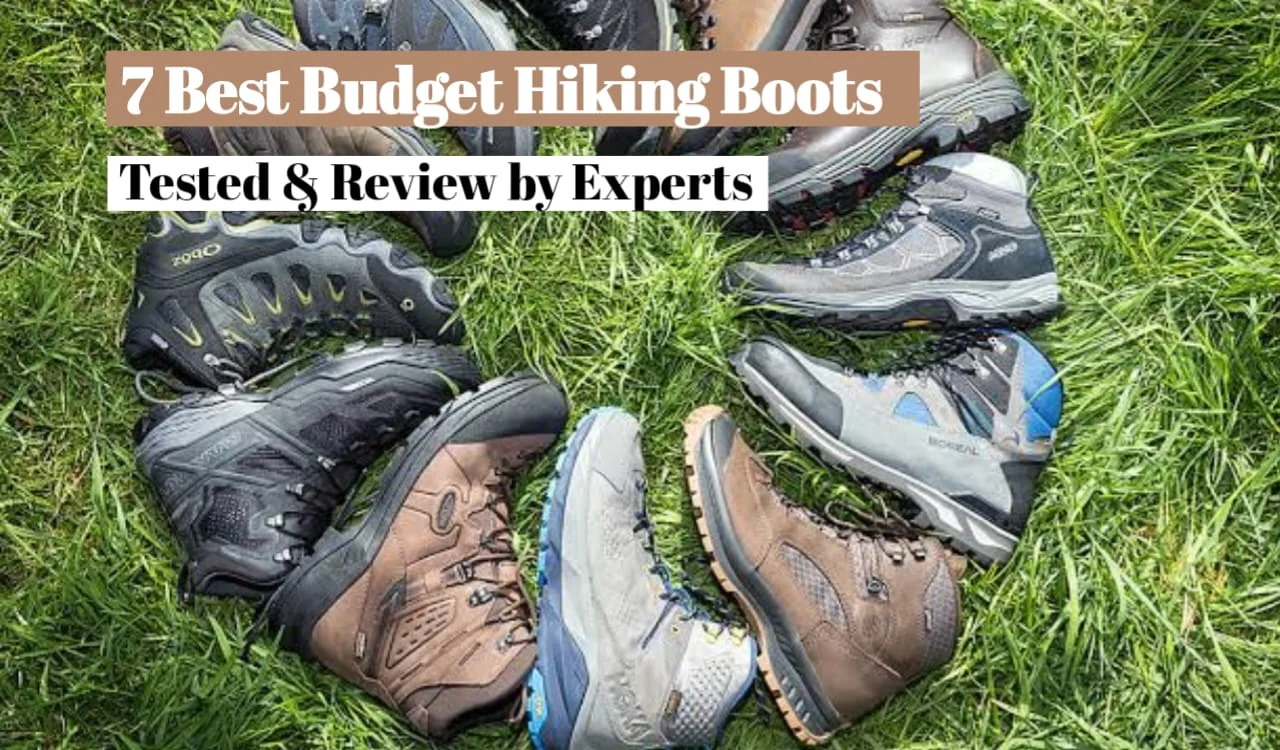
From rocky paths to muddy meadows. Check out 7 budget hiking boots that deliver reliable performance at great prices. Step up your hiking game affordably.
You may as well know how daunting an experience it is to look at those huge price tags, had you ever gone out to shop Budget Hiking Boots. The first thing that most of us, including myself tend to ask ourselves is, do I really have to spend in excess of 200 dollars to get something that will work? The fact is, not all people hike on weekends and go up mountain passes. There are occasions when we simply need something easy to wear, strong and reliable on day hikes, camping or weekend outings without necessarily emptying our pockets. I recall that same fight when I started looking at finding Best hiking boots that did not have to sacrifice the quality of performance.
It was then I understood that there is something significant that is not necessarily quality determined by the price. Hiking boots are available in the market that provide great levels of comfort, traction and waterproof properties at half the cost of the high-end brands. Here in this first section of my 7 Best Budget Hiking Boots Review, I selected four of the models that have performed well in real life applications; lightweight, tough, and worth every penny. These boots will keep you warm and assured in the trail whether you are a beginner or a casual hiker.
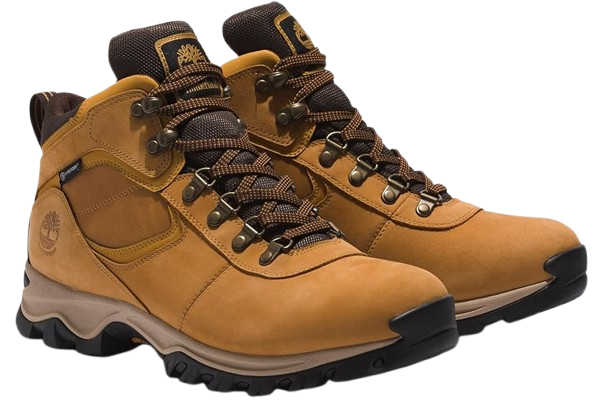
Rugged leather boot with solid waterproofing, great comfort, and reliable trail performance.
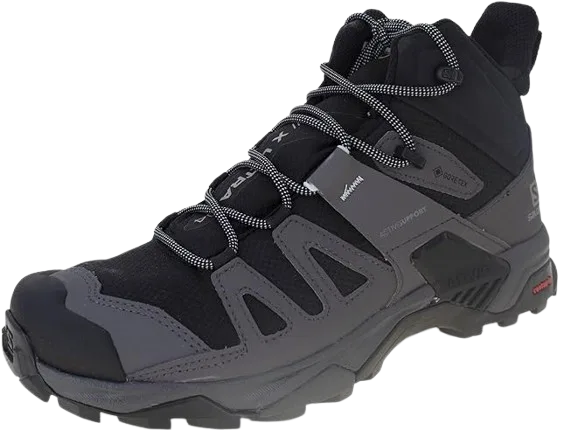
Nimble design with Gore-Tex protection and solid traction, ideal for technical trails and light packs.
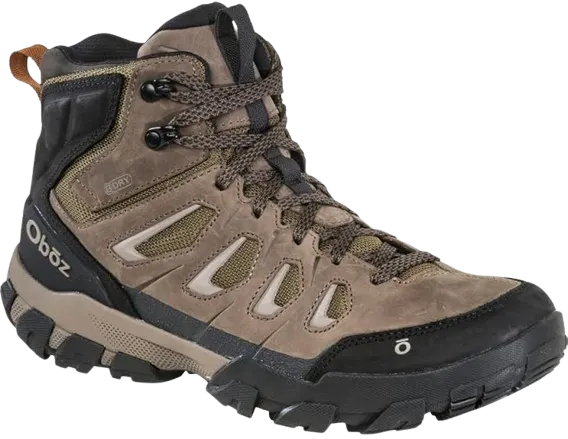
Sturdy build with great ankle support and comfort, perfect for day hikes and rough terrain.
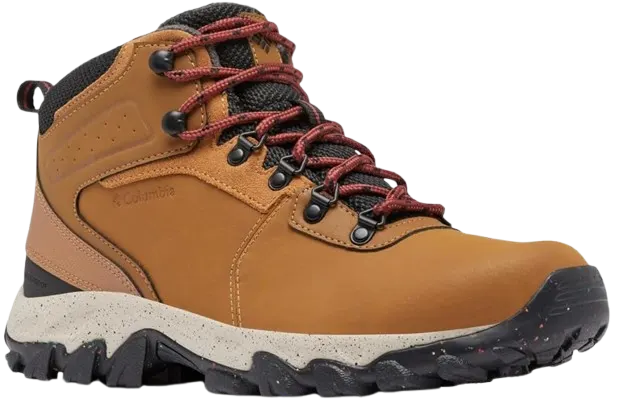
Budget-friendly, decent grip and comfort right out of the box; just don’t expect elite waterproofing.
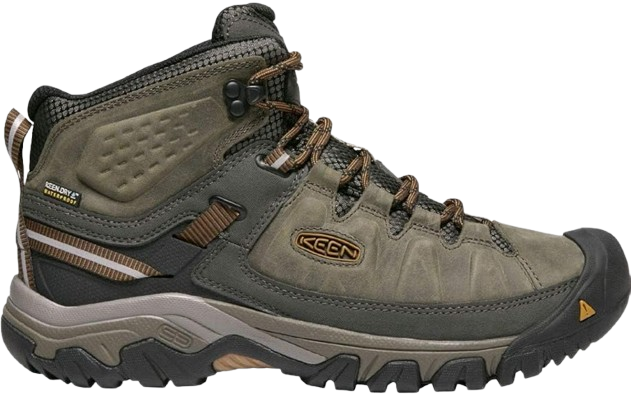
Wide-fit, stable everyday hiker with solid support—but expect potential longevity concerns.
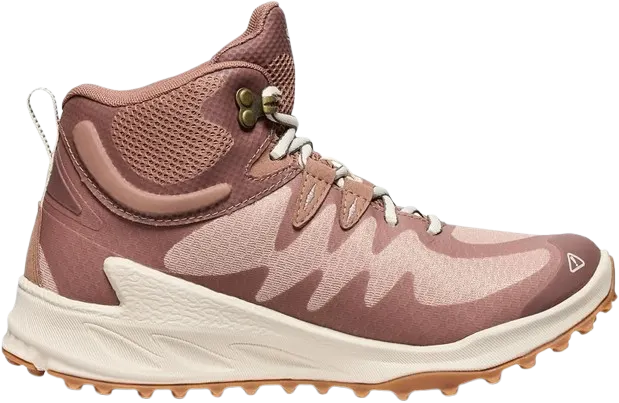
Impressive traction and support across terrain, though it’s slightly stiff and heavy.
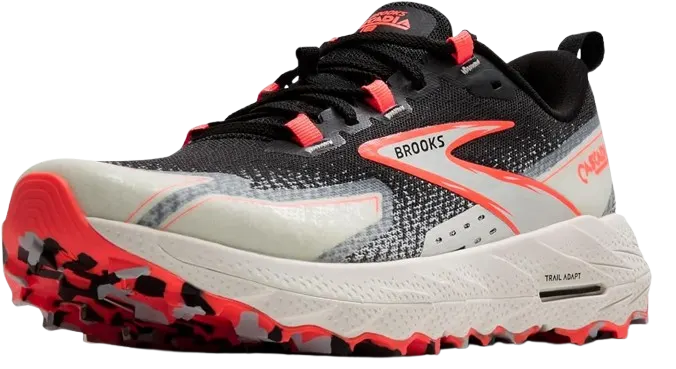
Ultra-light mid hiker with solid grip, waterproof GORE-TEX and trail-runner comfort.
7 Best Budget Hiking Boots Brief Review
You do not have to empty your wallet in search of good budget hiking boots. Combining comfort, traction and durability without compromising on quality or performance, the best budget hiking boots are the shoes that are sold. You can have an inexpensive pair of boots that provide the grip and support required whether you are a weekend hiker or a trail lover. This guide has been a test and comparison of some of the best rated, most affordable, and offer amazing value on all types of terrains. We will see what two of them offer you the best mileage.
1 – Timberland Mt. Maddsen Waterproof
Pros & Cons
Timberland Mt. Maddsen is a pair budget hiking boots which can demonstrate that timeless style may be a strong performance at the same time. It is produced using the highest quality full-grain leather, which instantly creates the impression of a strong and reliable material. The first pair of these I put on made me feel a lot better with the ankle support, which gave me that feeling of security on uneven ground. The leather became soft after two or three swellings, and fitted into my feet without diminishing its elasticity. It is a pair of boots that really seem to be made to last.
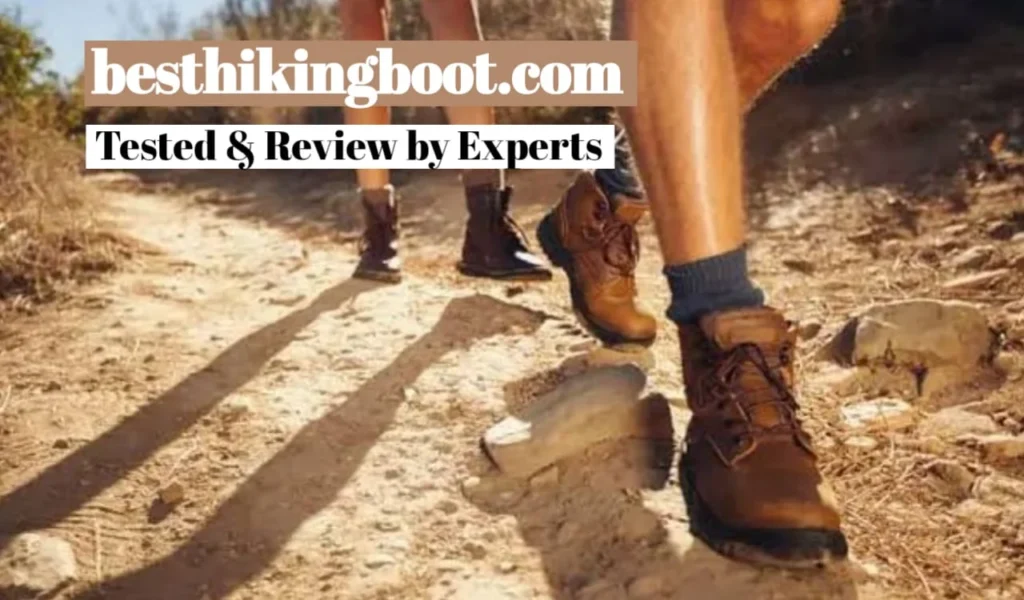
The waterproofing of the Mt. Maddsen is one of the most amazing aspects of this mountain. The proprietary membrane of Timberland kept my feet totally dry in the puddles and light rain. The rubber sole offered a reliable grip when on wet and muddy trails, and this made me confident in any situation. Although it is a bit heavier than synthetic boots, the level of comfort once it is broken in is worth it. This Timberland model is an undefeatably good choice among the hikers who enjoy the old-fashioned ruggedness with a touch of comfort at a reasonable cost.
2 – Salomon X Ultra 4 Mid GTX
Pros & Cons
The Salomon X Ultra 4 Mid GTX is one such type of budget hiking boots that the wearer will feel prepared to go to any trail upon putting it on. The best part is that it is a trail shoe that is stable like a boot. Due to its Advanced Chassis system, you have the ability to exercise accurate control, particularly when going down steep routes or going through rocky terrain. The snug fit will not make you feel too tight and the mid-height collar will not make the ankle stuck and limit the movement.
The waterproofing is dealt with by the reliable Gore-Tex membrane that withstood perfectly even during stream crossings and rainy hikes. Another feature that cannot be ignored is the Contatrip outsole which provides great traction on all types of loose gravel up to sloppy mud. The boot is lightweight, and flexible, despite its technical characteristics, and therefore long hikes are not as exhausting. It is the best choice among the hikers who prefer to have a high level of performance at a low cost-efficient price- it is stable, reliable and can conquer any hurdle.
3 – Oboz Sawtooth X Mid B-Dry
Pros & Cons
At first sight, the Oboz Sawtooth X Mid B-Dry caught my attention as it had a strong construction and a trail-oriented design. The rough craftsmanship can be touched as soon as you take it in your hands. After taking the trail, the stability and ankle support of the boot are noticed and one gets the feeling of confidence when on an uneven surface. The B-Dry waterproofing system is very effective and it is able to keep my feet dry even when on muddy, wet hikes. It is not as comfortable as it looks on the outside, but it is quite comfortable when you begin walking.
On the ground, the O FIT insole by Oboz is a signature cushioning and support insole, particularly when covering long distances. The outsole lugs are multi-directional and when set in other surfaces, they bite in strongly, providing a good grip when climbing and when descending. I also like the fact that the boot is a long-lasting investment, even in the medium price category. The Sawtooth X Mid B-Dry is one of the best performing low-budget boots in terms of performance on the trail, and offers the highest protection underfoot.
4 – Columbia Newton Ridge Plus II Waterproof
Pros & Cons
The first pair of boots I tried was the Columbia Newton Ridge Plus II Suede Waterproof Boot that surprised me because of the quality of the material. Its suede and mesh design makes it have a durable but bending structure that made my hikes easier even under rough surfaces. The waterproof layer proved to be very useful in light rain and crossing puddles and it did not trap heat, and my feet were not wet. I liked the fact that these boots did not require much time to break-in, they were trail ready almost instantly. The general comfort and performance was better than I expected at the price.
Another highlight that should be mentioned is the grip. The Omni-Grip rubber sole had a firm grip on the rocky and muddy grounds, and so I had no doubts on slippery trails. The cushioning I also liked underfoot–it was good to take the shock during long hikes, and you felt less tired. The boots are able to provide a balance of lightness and durability and thus are ideal to use by casual hikers or a person who is new in the hiking world. In my case, these two convincingly prove that you do not have to spend much money to achieve decent trail performance.
5 – KEEN Targhee III Waterproof Mid
Pros & Cons
The Targhee III Waterproof Mid Boots by KEEN have become one of my best all-purpose Budget Hiking Boots. They deliver a solid feel immediately when they come out of the box and have enough plastics to allow the person to move freely. My feet stayed dry in shallow water and light snow, and the breathable membrane was able to keep the clammy overheated feeling at bay. My favorite thing was the supportive ankle collar–it gave me the confidence to use it on a rocky trail or steep hill without being bound up. The level of comfort was also quite high even after several hours on uneven surfaces.
The other area that these boots shine in is durability. The leather upper is good at withstanding scratches, scuffs and the toe guard is made of rubber, giving it an added security. It has very good traction on wet or dry ground, due to the multi directional lugs that cut into the ground with no feeling of bulk. The broad toe box of KEEN is also a game changer- natural toe movement is supported, and pressure is minimized when the shoe is used in a long walk. On the whole, the Targhee III is the ideal combination of comfort, support, and hardness, particularly in the case of a person who hikes regularly but does not want to spend so much money.
6 – Zionic Waterproof Mid Hiking Boots (Women’s)
Pros & Cons
The Zionic Waterproof Mid Boots were a pleasant surprise to me as I am a person who attaches importance to agility and comfort in budget hiking boots. They are light but stable hence are a good choice to women who prefer to have hiking shoes that do not make them feel heavy. The waterproof cover is marvelous. It could easily deal with wet grass and shallow puddles when I was on my early morning hikes. The padding is comfortable and shock absorbing and this makes the walk smooth even on the long paths. I also loved the modern smooth look- it is smooth and modern but also serious in functionality.
The Zionic has excellent traction and balance performance-wise. The soles are also sure-footed on either dry or wet soil so that the feet can be safely placed in all kinds of paths. I liked the tight ankle support–it was firm without being hard. My feet were kept cool in the breathable lining that was quite useful during hot weather. In my case, the boots fit well in day hikers who are obsessed with lightweight functionality and high-quality protection at a reasonable cost.
7 – Cascadia 18 Trail-Running Shoes (Women’s)
Pros & Cons
The Cascadia 18 Trail-Running Shoes are the shoes that change the perspective of hiking comfortably. Although they are mainly trail runners, they seemed to me to be competent in some light hikes and long walks. The padding is plush but responsive–it takes a shock in uneven or rocky terrain so well. The breathable upper also kept the feet cool and the tightness did not experience any unnecessary sliding or blisters. The best thing was that these shoes could easily move between the road and the trail without losing their stability.
Performance wise, the shoe is very good in traction considering its being a lightweight shoe. The sole has a sticky rubber type that sticks to the floor even when wet and I am sure of my security in unpredictable weather. The other thing I have observed was the flex of their shoes- the shoe naturally bends with the step, thus making the walk less tiring on any longer trip. The Cascadia 18 is exactly the right combination of comfort, speed, and reliability to the casual hiker or to one who would like a lighter shoe than a standard boot, but at a fair price in budget hiking boots.
How to Choose Budget Hiking Boots Without Compromise
It might seem hard to find a good pair of inexpensive budget hiking boots It is believed by many hikers that the cheaper the price, the lesser quality it is but this is not always true. The trick here is to concentrate on the attributes that are the most important such as comfort, traction, and waterproofing. A properly fitting boot will serve better than the fancy, overcharged one that doesn’t fit properly. I have come to realize that there is no need to spend more money to have subpar performance because of branding instead of comparing core specifications.

Versatility is also another consideration. Select shoes that are up to the task in various conditions and weather types – a pair with good ankle support and a treaded sole. Mid-range brands should not be underestimated either; they can have an impressive level of durability at the price. When you are hiking on budget hiking boots, then you want to make sure that your purchase of a pair of boots is comfortable and quality but does not cost you a fortune but only requires you to make smart decisions.
Leather vs. Synthetic: What’s Better for Your Hike?
This is a discussion that I have repeatedly had with other hikers – and both of these sources possess their merits. Leather boots are characterized by durability, structure and good waterproofing. They shape to your feet as time goes on, and give the sort of hardy support that is excellent on rugged and rocky paths. They may however be heavier and require longer to break in and this may not be attractive to the casual or fast hikers. I have discovered them to be ideal in longer excursions when durability and defense are of paramount importance.
Synthetic boots, however, weigh less, are more breathable and dry faster after a wet hike. They are also generally more adaptable by default, and are thus better suited to short-haul or hot weather. They can however wear out like leather, particularly when they are used in rough situations. Personally, I prefer to have both kinds of leather to go on tough trails, and synthetic to go on day hikes that are comfort-oriented. How and where you hike is the real determinant of the right choice.
When to Replace Your Hiking Boots
The finest boots do not last indefinitely. I tend to tell when it is time to change mine when I begin to experience new points of pressure or when I can observe uneven wear on the soles. The telltale signs are also cracked midsoles, flattened cushioning or weak grip on slippery surfaces. When you start having problems with your boots and they are not stable anymore and are starting to create some discomfort, then you should consider retiring them before they can hurt you. Hiking in old-fashioned shoes may change your walking style and cause the strain of the joints I have experienced.
Clean and dry your boots every time you go out to be able to live longer. Keep them in non-heated and sunlight-free places to avoid deterioration of materials. Nevertheless, regardless of the most appropriate care, the majority of boots wear out within 500-800 miles depending on the conditions and the frequency of hiking. The trick is to listen to your feet, so when your favorite pair of boots begin to seem untrustworthy, then you know it is time to find your next great pair.
FAQs Best Budget Hiking Boots
Final Thoughts
I have tried several pairs, and now I can say that an budget hiking boots does not imply compromising quality and comfort. Both these choices are impressive value-wise. Columbia Newton Ridge is the best option to beginners who want to be able to rely on their waterproofing; KEEN Targhee III is more durable and supportive; Zionic Waterproof Mid is a stylish and capable shoe; and the Cascadia 18 is a lightweight versatile adventure shoe.
These four models demonstrate that a smart design and low prices do not necessarily go against each other, and that hikers are able to find reliable gear without draining their wallets. When you are walking through muddy trails, rocky paths or daily walks, these boots and shoes will ensure that your feet will be safe, stable and comfortable all through.